Telephone Answering Service vs Virtual Receptionist: What’s the Difference?

Telephone Answering Service vs Virtual Receptionist: What’s the Difference?


Every business call can be important. A missed call may mean a missed customer. It can also
create a poor first impression. A telephone answering service helps prevent this problem.

This service gives customers a real person to speak with. It can cover busy periods or
unanswered calls. It can also provide support outside normal working hours.


A virtual receptionist offers wider support. The service can answer calls and complete reception
tasks. This may include booking appointments or transferring calls.


Both options support business phone answering. However, they work in different ways. This
guide explains the main differences. It will help you choose the right option for your business.

What Is a Telephone Answering Service?


A telephone answering service handles incoming business calls. Trained call handlers answer
each call professionally. They can use your preferred business greeting.


Busy teams cannot always reach the phone. Meetings and daily tasks often get in the way. In
these situations, we can use call answering support to reduce missed calls.


A telephone answering service can help with:

  • Answering incoming calls
  • Taking customer messages
  • Collecting caller details
  • Screening calls
  • Forwarding important calls
  • Sharing basic information
  • Handling overflow calls
  • Escalating urgent enquiries


Some businesses also need support at night. Others receive calls during weekends. A 24-hour
call answering service can provide wider coverage.

When Is a Telephone Answering Service Useful?


High call volumes can put pressure on staff. The same problem can occur during holidays or
meetings. Field-based teams may also struggle to answer calls.


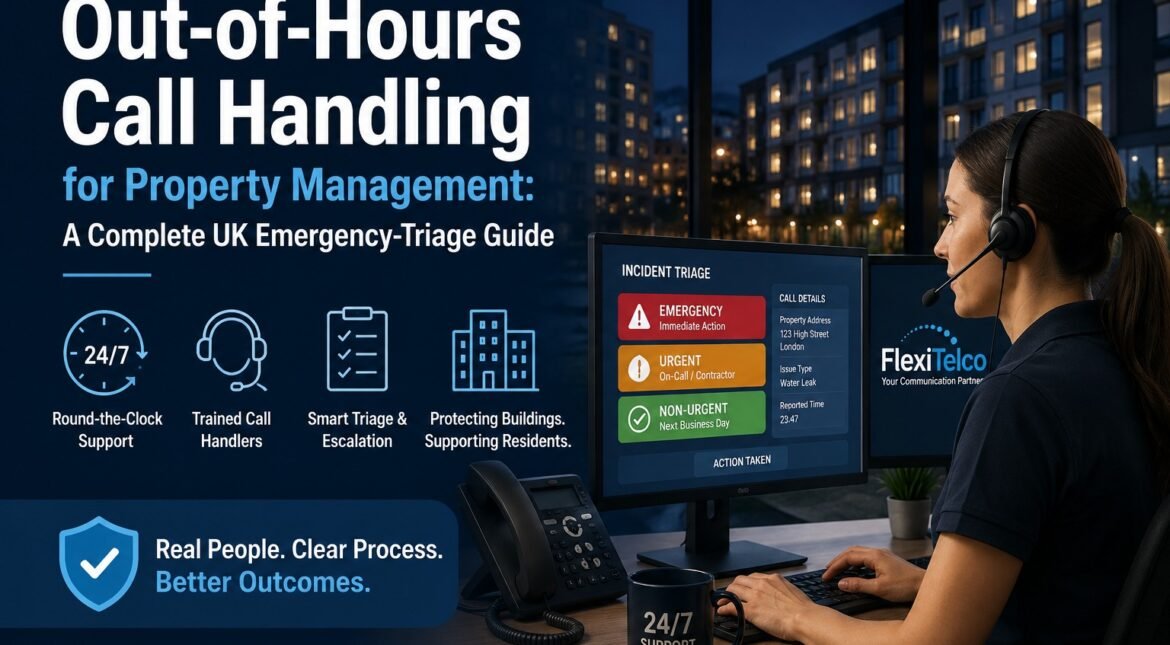
An out-of-hours call answering service covers calls when staff are unavailable. It gives our
customers a clear point of contact. This can reduce missed enquiries.


For example, a maintenance company may receive an urgent call. Its staff may already be
working on another job. The answering service can collect the caller’s details. It can then pass
the message to the right person.

What Is a Virtual Receptionist?


A virtual receptionist works like a remote reception team. The service answers calls for your
business. It can also handle other reception duties.


Some callers need more than message taking. They may want to book an appointment. Others
may need to reach a specific person. Outsourced reception services can support these needs.


A virtual receptionist can provide:

  • Professional call answering
  • Call transfers
  • Appointment booking
  • Diary support
  • New enquiry qualification
  • Detailed message taking
  • Custom call handling
  • Basic business information


Some providers also offer answering services and appointment scheduling. This combines call
handling with booking support. It helps us move an enquiry towards an appointment during one
call.

Telephone Answering Service vs Virtual Receptionist


The main difference is the level of support.


A telephone answering service focuses mainly on calls. It answers enquiries and takes
messages. It may also transfer important calls.


A virtual receptionist can do more. It can support tasks linked to the call. This may include
bookings or detailed enquiry handling.

FeatureTelephone Answering ServiceVirtual Receptionist
Answer CallsYesYes
Take MessagesYesYes
Collect Caller DetailsYesYes
Transfer CallsYesYes
Book AppointmentsLimitedYes
Handle Detailed
Enquiries
LimitedYes
Manage DiariesLimitedYes
Handle Overflow CallsYesYes

Good call management goes beyond answering the phone. The next action also matters. If
callers only need to leave details, an answering service may be enough.


Some callers need immediate action. They may want to book or reach a team member. In this
case, we may benefit more from a virtual receptionist.

How Much Does a Telephone Answering Service Cost?


The telephone answering service cost varies between providers. Pricing often depends on
usage. It can also depend on the support required.


Some providers charge a monthly fee. Others charge by call volume. Call length may also affect
the price.


The phone answering service cost can increase with extra features. These may include call
transfers or appointment booking. Out-of-hours support may also affect the price.


Before choosing a package, our needs should be reviewed first. Price should not be the only
factor. The service must also provide suitable coverage.

What Can Affect the Cost?


Several factors can affect the final price:

  • Monthly call volume
  • Average call length
  • Required working hours
  • Call transfers
  • Appointment booking
  • Custom call scripts
  • Out-of-hours coverage
  • Urgent call handling


Compare these features before choosing a package. This can help you understand the real
value.

Which Option Is Better for Small Businesses?


Small teams often manage several tasks at once. Staff may serve customers while handling
admin work. This can make phone calls difficult to manage.


Small business phone answering can reduce this pressure. It gives callers a professional
response. It can also help capture new enquiries.


A basic answering service suits simple needs. It can take details and pass messages to our
team. This works well when staff can follow up later.


A virtual receptionist suits more complex needs. It can handle more during the first call. This
may include bookings or call transfers.


Consider a small trade business with three field workers. All three may be busy on customer
jobs. Nobody may be available to answer the office phone.


An answering service can take each message. A virtual receptionist can go further. It may book
a suitable appointment while the caller is still on the phone.

Telephone Answering Service or Customer Service
Outsourcing?


Telephone answering is not the same as full customer service outsourcing. The level of support
is different.


A telephone answering provider focuses mainly on incoming calls. A customer service
outsourcing
service can cover more communication channels. These may include email or live
chat.


Some businesses need wider customer support. In that case, they may choose to outsource
customer service.


Other businesses only struggle with missed calls. A full outsourcing solution may then be
unnecessary. In this situation, we can focus on professional phone coverage instead.

How to Choose the Right Service


Start with your current call process. Look at when customers call. Then consider what they need
from each conversation.


Ask these questions:

  • How many calls are missed each week?
  • When do most calls arrive?
  • Do customers call after normal hours?
  • Do callers need to leave messages?
  • Do callers need to book appointments?
  • Are urgent calls common?
  • Do calls need to be transferred?
  • Does call volume change during busy periods?


These answers can reveal the right level of support. They also help us avoid paying for features
that are not needed.

Tip: Review the Customer Journey


Think about what happens after a customer calls. The next step should be simple.
Some callers only need to leave contact details. A telephone answering service can handle this
task.


Other callers may want to book immediately. They may also need a specific department. In
these cases, our business may need a virtual receptionist.

Benefits of Professional Call Handling


Reliable call handling helps businesses stay available. It also gives customers a more
consistent experience.


Professional support can:


● Reduce missed calls
● Capture new enquiries
● Improve call coverage
● Support customers during busy periods
● Reduce staff interruptions
● Collect useful caller information
● Provide out-of-hours support
● Create a professional first impression


Flexible support is also useful as a business grows. Call volumes may increase over time. A
suitable service allows us to adjust coverage when demand changes.

Conclusion: Which Service Should You Choose?


A telephone answering service is ideal for straightforward call support. It can answer calls and
take messages. It can also help cover busy periods.


A virtual receptionist offers broader support. It can book appointments or transfer calls. It can
also handle more detailed enquiries.


The best option depends on your customers. It also depends on what needs to happen during
each call. Reviewing these needs helps us choose the right level of support.


Missed calls should not become missed opportunities. Explore FlexiTelco telephone answering
solutions for professional call support. Choose a service that keeps customers connected while
your team stays focused.

FAQs

What is the difference between a telephone answering service and a virtual
receptionist?


A telephone answering service focuses mainly on incoming calls. It can answer calls and take
messages. A virtual receptionist offers wider support. It may also book appointments or transfer
calls for our business.


Can a telephone answering service answer calls after business hours?


Yes. Many providers offer evening and weekend support. Some also provide 24-hour coverage.
This helps us handle calls when internal staff is unavailable.

Is a virtual receptionist suitable for a small business?


Yes. Small businesses can use virtual receptionists for flexible support. They do not need
another receptionist in the office. This gives our team extra help when required.


Can an answering service book appointments?


Some answering services offer appointment booking. They can connect call handling with a
business diary. Before choosing a provider, we should check whether this feature is included.


How do I choose between the two services?


Consider what callers need during each call. Choose an answering service for basic call
handling. Choose a virtual receptionist for wider reception tasks. The right choice should match
our daily call needs.

Uncategorized

Telephone Answering Service: How Does It Work?

What is a Telephone Answering Service & How Does It Work?

A customer may call when a team is busy or away from the phone. If nobody answers, that
caller may contact another business. A telephone answering service helps us avoid missed
calls. Trained agents answer calls on behalf of the business.


The service answers calls on behalf of a business. Agents can take messages, transfer urgent
calls, book appointments, and answer basic questions. Customers receive a professional
response. This helps us reduce the need for a full in-house reception team.


Reliable business phone answering can reduce staff workload. It helps us manage calls during
busy periods. This guide explains how the service works. It also covers key features and factors
to consider before choosing a provider.

What Is a Telephone Answering Service?

A telephone answering service is an external service that handles incoming business calls.
Trained agents answer with an agreed greeting. They follow the business call rules. This gives
our callers a consistent response when staff are busy.


Unlike a basic voicemail system, a live agent can speak with the caller. The agent can
understand the reason for the call and take the right action. Outsourced reception services
provide professional human support. They help us handle calls without hiring another
receptionist.


For example, an electrician may be working at a customer’s property when a new enquiry
arrives. A call handler can collect the caller’s details and record the job request. The electrician
can then return the call when available.

How Does a Telephone Answering Service Work?

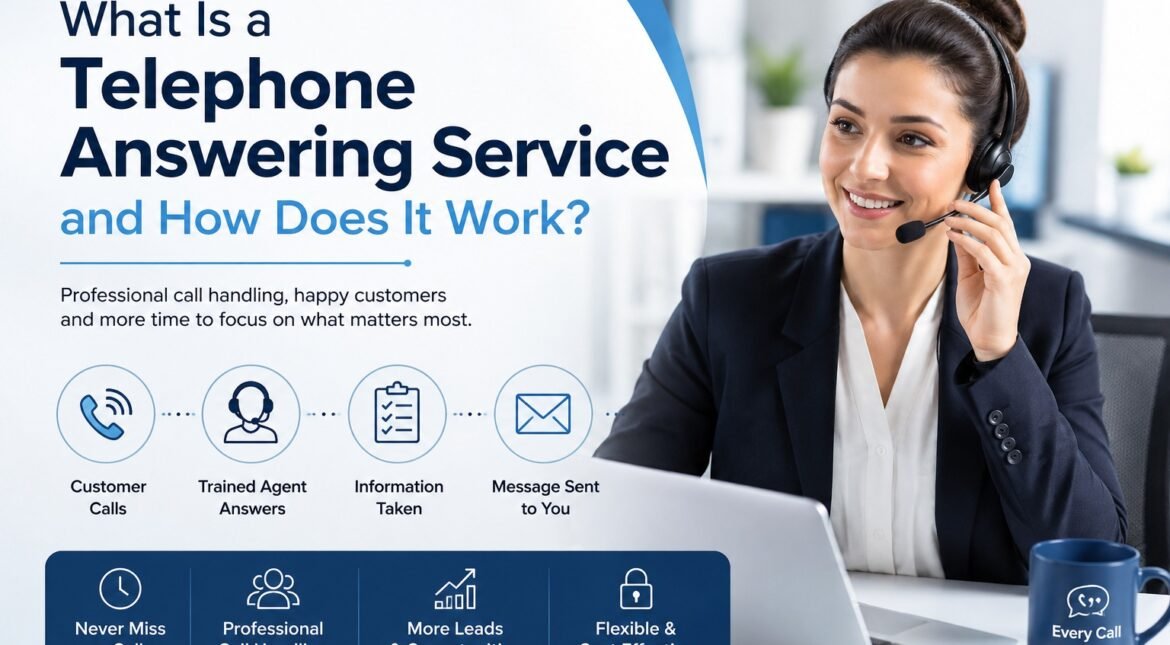
The process starts by connecting business calls to a professional answering team. Calls can be
forwarded throughout the day. They can also be forwarded during busy periods. When staff are
unavailable, our answering team can handle the calls. This gives us control over when external
support becomes active.


Once connected, trained agents follow a call-handling plan. The plan can include a company
greeting and common questions. It can also cover escalation rules. Clear message
requirements help our team handle each call correctly. Good customer support outsourcing
should feel like a natural extension of the business.

1. The Customer Calls the Business

A customer dials the normal business number. Depending on the setup, the call goes directly to
the answering team or diverts after a set period. This means our existing number can remain
the main point of contact.

2. A Trained Agent Answers

A live agent answers with the approved business greeting. The caller does not need to know
that the agent works remotely. Professional small business phone answering improves the caller
experience. It helps us serve new and existing customers with consistent support.

3. The Agent Identifies the Caller’s Needs

The agent asks relevant questions and records important information. The agent records the
caller’s name and contact details. They also note the service request. This helps our team
understand how urgent the call is. Clear instructions help us make each conversation useful for
the internal team.

4. The Agent Takes the Required Action

Different calls require different actions. An agent can take a message or transfer a call. They
can also share approved information. Booking support helps our team manage appointments
with ease. Some providers also offer answering services and appointment scheduling.

5. The Business Receives the Information

Messages can be sent to the relevant person by email, text, or another agreed system. Urgent
enquiries may follow a separate escalation process. This allows our team to respond based on
the importance of each call.

What Can a Telephone Answering Service Handle?

Every business receives different types of calls. A suitable service should match daily business
needs. This helps us avoid a fixed approach to call handling. Flexible call handling allows us to
choose the tasks that provide the most value.


Common services can include:

  • Answering general business enquiries
  • Taking accurate customer messages
  • Transferring important calls
  • Capturing new sales leads
  • Booking or changing appointments
  • Handling basic customer questions
  • Following urgent call procedures
  • Supporting staff during busy periods
  • Providing out-of-hours call answering service
  • Covering calls during holidays or staff absence

These features can make a customer service outsourcing service useful for many sectors. Many
sectors need reliable call handling. These include trades, property firms, and healthcare
providers. Professional services can also use our support as their business grows.

Why Do Businesses Use Telephone Answering Services?

Missed calls can affect sales and customer confidence. A potential customer may not leave a
voicemail or call again. Reliable call handling helps our business capture more opportunities. It
also creates a professional first impression.


The service can also reduce interruptions. Staff can focus on customers and key tasks. Trained
agents can handle routine calls. This helps us outsource customer service and gain extra
support. It also reduces pressure on internal staff.


Many companies with excellent customer service make communication easy for customers.
Fast access to a real person can support the same principle. A professional answering service
supports smaller firms. It helps us respond to customers quickly. There is no need to build a
large contact centre.

Telephone Answering Service vs In-House Receptionist

An in-house receptionist can be valuable when a business needs regular front-desk support.
Hiring a receptionist can add extra costs. These include salary, training, and holiday cover.
Workplace costs may also increase. An answering service gives us a flexible option. It can
reduce the need for full-time reception cover.


External agents can also support several calls when demand rises. A single receptionist may
struggle when several customers call at once. Outsourced contact centre services offer flexible
call support. They help us manage changes in call volume.


The right choice depends on call numbers, business hours, and the type of support required.
Companies should check service quality first. They should also review the telephone answering
service cost. This helps us make a suitable choice.

How Much Does a Telephone Answering Service Cost?

The phone answering service cost depends on the provider and service level. Some companies
charge for each call. Others offer packages based on call minutes. Expected call volume can
also affect our pricing plan. Extra services may also affect the final price.


When reviewing answering service pricing, businesses should check what the package
includes. Low prices may not provide the best value if important features carry extra charges. A
clear pricing structure helps us understand the expected monthly cost.


Check the expected call volume and operating hours. Review call transfers and appointment
booking. Message delivery and extra support also matter. A call answering service free trial can
help us test the service. This can support a better choice before a longer commitment.

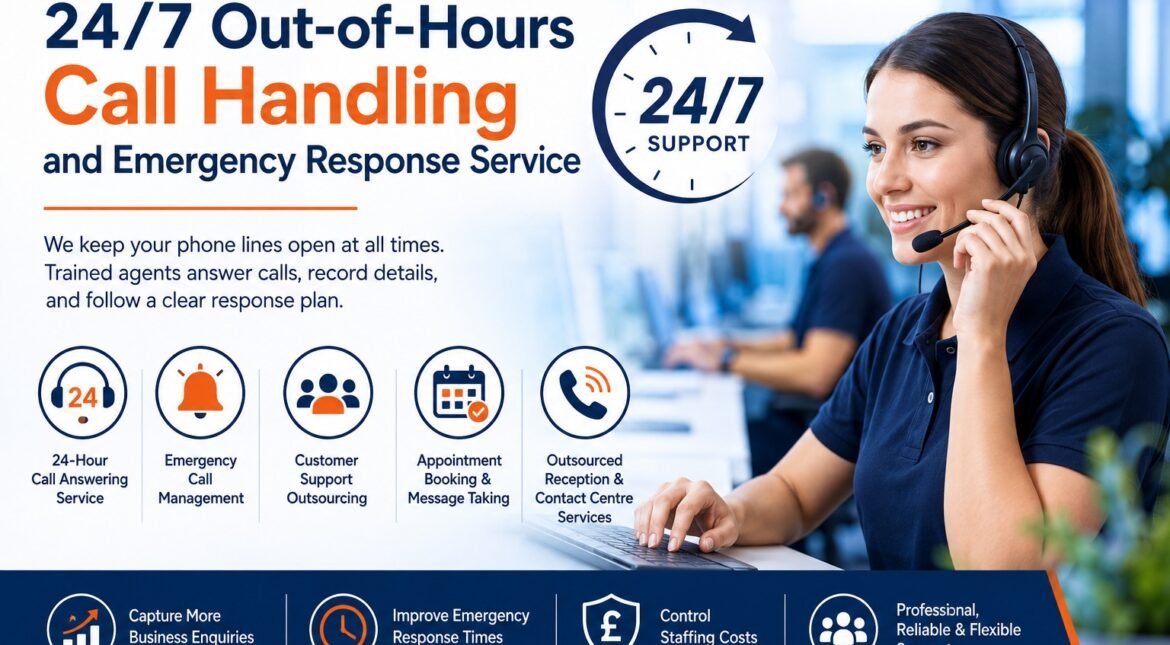
Do You Need a 24 Hour Call Answering Service?

Some businesses receive important calls outside standard working hours. Emergency
contractors, property services, and other customer-focused firms may need wider availability. A
24 hour call answering service keeps our business reachable. Customers can still call when
staff are unavailable.


Not every company needs full 24-hour coverage. An out of hours call answering service can
cover calls after normal hours. It can also support our business on weekends and holidays.
Matching coverage to real demand can control costs while protecting important enquiries.

How to Choose the Best Answering Service for a Small
Business

The best answering service for small businesses should offer good value. Price alone should
not guide our choice. The provider represents the company during direct conversations with
customers. Service quality should therefore be a key part of our decision.


Look for a provider that offers:

  • Professional and well-trained call handlers
  • Clear and flexible pricing
  • Custom call scripts
  • Reliable message delivery
  • Appointment booking where required
  • Suitable opening hours
  • Clear escalation procedures
  • Flexible plans for changing call volumes
  • Strong data-handling processes
  • Trial options where available

Businesses should also test how naturally agents communicate. The best customer service
businesses provide clear support. They help our customers at every contact point. An
answering provider should support that same standard.

Example: How Call Answering Helps a Small Service
Business

Consider a small plumbing firm. Engineers spend most of the day at customer properties. This
can make our calls harder to manage. Calls may arrive while staff are driving, working, or
speaking with existing customers. Missed enquiries can quickly become lost jobs.


A telephone answering team can record key details. These include the customer’s name and
contact number. The agent can also note the issue and postcode. Urgent calls can follow an
agreed process. Standard enquiries can reach our team for a later response.


This approach gives the customer a real person to speak with. It also allows engineers to
concentrate on their current work. A growing customer care business needs reliable support.
This helps us balance availability with productivity.

Tips for Getting Better Results From Your Answering
Service

Clear information helps agents provide better customer support. Businesses should provide
accurate service details. They should also share common customer questions. Clear rules help
our provider manage urgent calls. Regular updates allow us to keep call handling aligned with
current operations.


Call reports can also reveal useful patterns. Frequent questions can reveal missing website
information. Repeated enquiries can show what services our customers need. These insights
can help improve both customer service and wider business processes.

Frequently Asked Questions

Is a telephone answering service the same as a call centre?


Not always. A telephone answering service handles inbound calls. It can also manage
messages and call transfers. Basic support helps our customers get quick answers. Larger call
centres may provide broader sales and customer service operations.

Can an answering service book appointments?


Yes. Some providers offer answering services and appointment scheduling. They can add
bookings to our agreed diary or system. The exact process depends on the provider and
business requirements.

Can small businesses use telephone answering services?


Yes. Small firms use these services to manage enquiries. They support our business when staff
are busy or unavailable. This allows our business to improve call coverage without employing a
full-time receptionist.

Can calls be answered outside normal business hours?


Yes. Providers may offer evening, weekend, holiday, or 24-hour support. The right level of
coverage depends on when customers usually contact the business.

Will customers know their calls are outsourced?


A trained agent normally answers using the business name and an approved script. Good
outsourcing companies UK businesses choose should provide professional call support. They
help our callers receive a smooth experience.

Is customer service outsourcing suitable for growing businesses?


It can be. Customer support outsourcing can add capacity as call volumes increase. Businesses
should choose a provider that can adapt its service as their needs change.

Keep Every Important Business Call Covered


Every incoming call can represent a customer question, booking, or new sales opportunity. A
professional telephone answering service helps us manage customer calls. It provides support
when staff are busy or unavailable. It can also cover calls outside normal working hours.


FlexiTelco provides professional call handling designed to support better customer
communication. The right service can handle messages and calls. It helps us reduce missed
calls. It also keeps the business responsive.


Contact FlexiTelco today for professional telephone answering support. Let us help you choose
a service that suits your business needs.

Uncategorized

Why Your Business Needs an Outsourced Call Centre (Before It’s Too Late)

Why Your Business Needs an Outsourced Call Centre

Today’s customers want quick answers, short wait times, and professional support. If your business struggles to answer every call, you’re not alone. Many companies lose valuable opportunities because their staff can’t keep up.

Every missed call could mean a lost sale or a frustrated client. It can also hurt your brand reputation. That’s why many businesses now use outsourced call centers. Trained professionals make sure every customer gets the service they expect. This frees you to focus on growing your business.

The Hidden Challenges of In-House Call Handling

Even with a strong team, it’s almost impossible to answer every call in-house. Problems often happen when:

  • Staff are already busy with day-to-day work.
  • Customers call during lunch breaks or meetings.
  • Inquiry volumes spike during peak hours.
  • Calls come in outside of standard business hours.

When this happens, calls and voicemails build up. Customers then look elsewhere. Research shows that up to 70% of callers won’t try again if their first call isn’t answered. Most go straight to a competitor.

For small and medium-sized businesses, this often leads to lost leads. It can also result in negative reviews and missed opportunities.

How an Outsourced Call Center Solves These Problems

An outsourced call center provides backup when your team can’t handle every call. You can choose full-time support or overflow coverage. Either way, professional call handlers ensure your customers are always looked after.

24/7 availability – Calls at all hours, including evenings and weekends.

  • Professional service – Agents answer in your business’s name and follow your scripts.
  • Scalability – Extra support during busy periods without hiring more staff.
  • Cost savings – Avoid the expenses of recruitment, training, and full-time salaries.
  • Multichannel support – Calls, emails, live chat, and even social media can be used.

By outsourcing, your business always sounds professional and reliable. Customers can reach you at any time with confidence.

Why Businesses Are Making the Switch

Companies across many industries are outsourcing customer calls.

  • Healthcare providers use outsourced call centers to manage appointments and reminders. They also handle urgent patient inquiries.
  • Law firms rely on 24/7 answering services so that no client is ever turned away.
  • E-commerce brands offer round-the-clock support to boost customer satisfaction and loyalty.
  • Local tradespeople capture every job request—even when they’re out.

The reason is simple. Outsourcing gives customers confidence that someone is always there to help. In competitive markets, this can be the difference between winning and losing business.

The ROI of Outsourcing

Outsourcing isn’t about answering phones. It also protects revenue and improves the customer experience. Businesses that outsource call handling see better results.

  • Higher satisfaction scores: Customers feel valued and cared for.
  • More repeat business—customers return because they trust your service.
  • Lower costs – Paying only for the service you need is far cheaper than hiring staff.

Every call you answer is an opportunity. It could be a sale, an appointment, or a stronger customer relationship. By outsourcing, you ensure that you miss no opportunities.

Frequently Asked Questions About Outsourced Call Centres

1. What is an outsourced call center?

It’s a team of trained agents who answer your business calls on your behalf. They use your company name and follow your instructions. They also make sure to handle every call.

2. How does outsourcing save money?

Hiring staff full-time means paying salaries, benefits, and training costs. Outsourcing lets you pay only for the coverage you need. This could be 24/7 support or extra help during busy times.

3. Will customers know about the calls?

No. Calls as if they’re coming from your office. Customers won’t notice the difference, but they will notice the improved service.

Wrap Up!

Every missed call is a missed chance. Customers today don’t wait—they move to the next business that answers. That’s why outsourcing call handling is no longer an option; it’s a smart strategy for growth.

By partnering with an outsourced call center, you can:

  • Protect revenue by answering every call.
  • Deliver professional customer service 24/7.
  • Free up staff to focus on core business tasks.
  • Build stronger, longer-lasting customer relationships.

If you’re serious about keeping your customers happy and your business growing, now is the time to act.

outsourced call centre

The Future of Email Marketing What Businesses Need to Know in 2025

The Future of Email Marketing: Key Trends Businesses Need To Know

Email has stood the test of time as one of the most powerful digital marketing channels. Despite the rise of social media and paid advertising, email remains the go-to platform for building relationships, nurturing leads, and driving conversions. But the landscape is evolving rapidly. With new technologies, changing consumer expectations, and stricter regulations, the future of email marketing looks both exciting and challenging.

Why Email Marketing Still Matters in 2025

Before diving into the trends, it’s important to understand why email continues to thrive in a crowded digital space.

  • High ROI: Studies consistently show that email marketing generates one of the highest returns on investment among digital channels averaging $36 for every $1 spent.
  • Direct Communication: Unlike social platforms, you own your email list. You’re not at the mercy of ever-changing algorithms.
  • Scalability: Whether you’re targeting 100 people or 100,000, email allows you to communicate at scale.

This combination of affordability, effectiveness, and ownership makes email an irreplaceable asset. Now, let’s look at what’s next.

AI in Email Marketing: Smarter Campaigns, Better Results

Artificial intelligence is no longer a buzzword it’s a game-changer. In 2025, AI-driven tools are helping businesses:

  • Write engaging subject lines optimized for open rates.
  • Segment audiences automatically based on behaviors and preferences.
  • Predict send times for each individual subscriber.
  • Create personalized product recommendations within emails.

By using AI in email marketing, businesses can cut down on guesswork, improve efficiency, and deliver messages that truly resonate.

Hyper-Personalization Will Be Non-Negotiable

Personalization in email marketing has moved far beyond using a subscriber’s first name. In 2025, businesses are expected to deliver hyper-personalized content based on browsing history, purchase behavior, location, and even predictive data.

For example, a clothing retailer might send an email showing seasonal outfits based on the subscriber’s climate zone, while a SaaS company could recommend features tailored to how a customer uses their software.

The goal? To make every email feel like a one-to-one conversation, not a broadcast.

Interactive Emails: Turning Messages Into Experiences

Static text and images are no longer enough. The future of email marketing includes highly interactive content that keeps users engaged without leaving the inbox.

Some interactive features gaining traction in 2025 include:

  • Polls and surveys directly inside emails.
  • Shoppable product carousels.
  • Gamification elements like scratch-to-reveal offers.
  • Embedded videos and GIFs for storytelling.

This shift turns email into an immersive experience, boosting click-through rates and customer engagement.

Stricter Privacy and Email Deliverability Rules

Consumer privacy is a top priority in 2025. With regulations like GDPR, CCPA, and new global privacy laws, businesses must adopt transparent data practices. At the same time, email service providers are tightening spam filters and authentication requirements.

To maintain strong email deliverability, companies should:

  • Authenticate domains using SPF, DKIM, and DMARC.
  • Avoid purchased lists and focus on organic growth.
  • Provide clear unsubscribe options.
  • Respect subscriber preferences with consent-based marketing.

Trust will be a defining factor in successful campaigns going forward.

Email Automation: Doing More With Less

Automation continues to dominate in 2025. Businesses are increasingly relying on email automation to:

  • Welcome new subscribers with onboarding sequences.
  • Trigger re-engagement emails when users go inactive.
  • Deliver cart abandonment reminders that drive sales.
  • Upsell or cross-sell products based on past purchases.

By automating repetitive workflows, marketers free up time while ensuring subscribers receive timely, relevant communication.

Mobile-First Email Design

With over 70% of emails opened on mobile devices, mobile-first design is no longer optional it’s mandatory. In 2025, businesses are optimizing campaigns by:

  • Using responsive templates.
  • Keeping subject lines short.
  • Designing with thumb-friendly CTAs.
  • Reducing image-heavy layouts for faster load times.

If an email doesn’t display well on a smartphone, subscribers will delete it in seconds. Mobile-first ensures your content looks sharp everywhere.

Sustainability and Ethical Marketing

Consumers in 2025 are increasingly conscious of sustainability and ethical practices. Email marketing is adapting by:

  • Promoting eco-friendly initiatives.
  • Reducing “batch and blast” campaigns to limit unnecessary digital noise.
  • Emphasizing transparency in brand communications.

This shift isn’t just about compliance it’s about aligning with customer values to build deeper brand loyalty.

The Rise of Predictive Analytics

Another major development shaping email marketing trends 2025 is predictive analytics. With access to vast amounts of customer data, businesses can:

  • Forecast future buying behavior.
  • Identify at-risk subscribers before they churn.
  • Personalize offers based on predicted needs.

Predictive insights make email campaigns more proactive, turning marketing into a growth engine rather than a guessing game.

FAQs About the Future of Email Marketing in 2025

What is the biggest trend shaping the future of email marketing in 2025?

The biggest trend is the rise of AI-powered personalization and automation. Businesses are moving beyond generic campaigns to deliver real-time, hyper-personalized messages that align with individual customer behavior. This shift helps boost engagement, conversions, and customer loyalty.

How can businesses improve email deliverability in 2025?

To maintain strong email deliverability, businesses should focus on authenticating their domains (SPF, DKIM, DMARC), building organic email lists, segmenting audiences properly, and sending relevant, consent-based messages. Providing a clear unsubscribe option also builds trust and ensures compliance with privacy regulations.

Wrap Up!

The next era of email is all about personalization, automation, interactivity, and trust. Businesses that adapt to these trends in 2025 will be able to build stronger relationships, increase engagement, and maximize ROI.

To prepare for the future of email marketing, businesses should:

  1. Invest in AI and automation tools.
  2. Prioritize data privacy and deliverability.
  3. Embrace interactive and mobile-first design.
  4. Focus on building trust through transparency and personalization.

Email remains one of the most cost-effective and powerful marketing channels but only for those willing to evolve. If you take the time to align with these trends, your email campaigns will continue to thrive well into the future.

Email Marketing

The Hidden Cost of Missed Calls (And How to Stop Losing Business)

The Hidden Cost of Missed Calls (And How to Stop Losing Business)

Every missed call is a missed opportunity. In today’s fast-moving market, customers expect immediate responses—and if you’re not available, they won’t wait around.At Flexitelco, we see it all the time: growing businesses unintentionally lose revenue, clients, and reputation simply because no one picked up the phone. Let’s look at why missed calls matter more than you think—and how to fix it.


What’s the Real Cost of a Missed Call?Whether you’re a GP clinic, a law firm, or a local tradesperson, one missed call can mean:

  • lost customer
  • negative review
  • delayed sale
  • damaged brand reputation

According to UK small business surveys, over 60% of customers won’t leave a voicemail—they’ll just call your competitor.


Peak Times = Peak RiskIronically, the times you’re busiest (and need help the most) are when you’re most likely to miss calls:

  • During client appointments
  • On job sites
  • Outside office hours
  • When staff are on lunch or in meetings

Without backup, every ring becomes a gamble.


How Flexitelco Solves This (So You Don’t Miss a Thing)We act as your 24/7 backup team, ensuring that every call is answered professionally—even if you’re unavailable.With Flexitelco, you get:

  • Live call answering in your company name
  • Out-of-hours and overflow support
  • Instant message forwarding or escalation
  • Peace of mind knowing you’re always covered

Whether you want full-time support or just backup during peak hours, we scale to your needs.


Turn Missed Calls into Repeat CustomersCallers who speak to a real person are more likely to:

  • Book an appointment
  • Leave positive feedback
  • Trust your brand
  • Return again and again

The human touch isn’t just good manners—it’s smart business.


Ready to Stop Letting Revenue Ring and Walk Away?Flexitelco helps UK businesses stay responsive, professional, and always in touch. Don’t let a missed call become a missed client.
Get a Quick Quote | Book a Demo With Our Team

Start Your Free Trial Today

Uncategorized

Personalised Call Handling: The Secret to Building Lasting Customer Loyalty

Personalised Call Handling: The Secret to Building Lasting Customer Loyalty


In today’s fast-paced digital world, it’s easy for businesses to lose the personal touch that keeps customers coming back. At Flexitelco, we know that personalised call handling isn’t just a nice-to-have—it’s essential for creating meaningful customer relationships.

Why Personalised Calls Matter More Than Ever
Customers don’t just want to be heard—they want to feel understood. When someone picks up the phone and addresses them by name, remembers their preferences, or tailors the conversation to their needs, it makes all the difference.
Personalised service builds:
  • Trust
  • Satisfaction
  • Brand loyalty

The Impact on Your Business
Studies show that businesses that offer personalised customer service see up to a 70% increase in customer retention. For UK businesses competing in crowded markets, standing out with real, thoughtful conversations is a game changer.

How Flexitelco Delivers Personalised Call Handling
We don’t just answer calls—we connect with your customers. Here’s how we make it personal:
  • Custom call scripts tailored to your brand voice and customer profiles
  • CRM integration to access client history and preferences in real time
  • Trained UK-based agents skilled in empathy and active listening
  • Flexible call routing to the right team or specialist based on caller needs

Real Stories, Real Results
One of our clients in the healthcare sector shared:
“Flexitelco agents remembered patient names and appointment details, which really impressed our clients and improved satisfaction scores.”

Technology Supports, People Deliver
While technology like CRM systems helps us provide personalised experiences, it’s the human touch that truly resonates. Our agents combine technology with genuine care—helping your customers feel valued every time they call.

Because when your customers feel valued, they stay loyal. And that’s the power of personalised call handling.
Ready to Elevate Your Customer Experience with Personalised Calls? Book a Demo
Speak to a Flexitelco Specialist Today

Uncategorized

The Human Touch: Why Real Conversations Still Matter in Customer Service

Why Human Interaction Still Matters in Customer Service

The Human Touch: Why Real Conversations Still Matter in Customer Service

In a world full of chatbots, auto-replies, and AI-generated voices, one thing continues to stand out: the power of real human interaction.
At Flexitelco, we believe people still want to talk to people—especially when the issue is important, sensitive, or frustrating. And while technology has transformed call handling, it hasn’t replaced the value of empathy, understanding, and a genuine conversation.

When a Voice Becomes Reassurance
Imagine you’re calling your property manager about a leak at 10pm, or your GP practice about a missed appointment. The last thing you want is a robotic voice telling you to call back tomorrow.
A real person can do something AI can’t:
listen, reassure, and respond with empathy.
That calming, understanding voice on the other end of the phone? It’s not just good customer service—it’s emotional support in real time.

Emotional Intelligence Beats Artificial Intelligence
AI can analyse sentiment. But only humans can respond to it intuitively.
Whether a customer is angry, anxious, or confused, a trained agent knows how to adapt their tone, use patience, and find solutions—without following a rigid script. It’s the kind of care that builds trust, loyalty, and long-term business relationships.

People Remember People
Your customers might forget what was said, but they’ll remember how they felt during the call. A friendly receptionist, a calm problem-solver, or someone who simply listens—these interactions shape your brand’s reputation far more than hold music or “press 1 to continue” menus ever could.

In the UK, We Still Pick Up the Phone
While messaging apps and chat are on the rise, phone calls remain a preferred channel for urgent and personal issues—especially in sectors like:
  • Healthcare (sensitive conversations)
  • Property Management (emergencies)
  • Professional Services (trust-building)
  • Trades & SMEs (booking + reassurance)
In the UK especially, customers expect courteous, clear, and confident communication—and they know the difference between a script and sincerity.

Technology Supports People—It Doesn’t Replace Them
At Flexitelco, we embrace smart tools and automation—but we use them to support our people, not replace them. For us, it’s about striking the right balance:
  • AI helps us route calls faster
  • Reporting shows us where to improve
  • But it’s our trained, UK-based agents who leave lasting impressions

Human Interaction is Your Competitive Edge
In a competitive market, human connection is your differentiator. Real conversations create real loyalty—especially when your competitors are handing customers over to bots.
So while AI can talk, only people can connect.
And that’s what we’re here for.

Ready to give your customers real conversations, 24/7?
Uncategorized

Why More UK Businesses Are Outsourcing Their Call Handling in 2025

Why More UK Businesses Are Outsourcing Call Handling in 2025

Why More UK Businesses Are Outsourcing Their Call Handling in 2025

The way businesses handle phone calls is changing—fast.
In 2025, outsourcing call handling is no longer just a solution for big corporations or call centres. It’s become an essential strategy for small and medium-sized businesses across the UK that want to offer professional, 24/7 support without hiring extra staff.
At Flexitelco, we’re seeing a major shift—and here’s why more businesses are making the move.

1. Never Miss a Call = Never Miss a Sale
Every missed call could be a missed opportunity—whether it’s a new customer, an urgent query, or a repeat client. Outsourcing ensures that someone is always there to answer professionally, even when you’re:
  • On another call
  • Out of office
  • Sleeping (yes, we handle out-of-hours too!)

2. It’s Cost-Effective (and Predictable)
Hiring a full-time receptionist or customer service agent comes with salary, NI, training, and holiday cover. Outsourced call handling gives you:
✅ Fixed or flexible monthly costs
✅ No overheads
✅ Scalable service that grows with your business
You only pay for what you need—and never for lunch breaks or sick days.

3. Human Service, Always
Unlike chatbots or voicemail systems, outsourced agents provide real human interaction. That means:
  • Better rapport
  • Faster problem-solving
  • Happier customers
At Flexitelco, our UK-based team sounds like your team—because we act as a true extension of your brand.

4. Ideal for Busy Trades & Service Businesses
If you’re a plumber, electrician, or contractor, you don’t have time to stop mid-job and take a call. We take your calls, book appointments, and send job details straight to your phone or inbox, so you stay focused—and never miss out on work.

5. Trusted by Healthcare, Property, IT & More
From GP practices and dental clinics to IT support firms and block management companies, industries that rely on fast, professional, and often sensitive communication use Flexitelco to keep their lines open and their customers reassured.

6. We’re There When You’re Not
Out-of-hours, overflow, emergency response—we’ve got it covered. Whether it’s a tenant with no heating or a patient with a concern after 6pm, we’re available 24/7 so you don’t have to be.

7. It’s Simple to Get Started
We handle setup quickly and tailor everything to your business—from how we answer the phone to how we deliver messages or escalate urgent calls. No technical headaches. Just plug-and-play peace of mind.

Ready to Make the Smart Call?
Outsourcing your call handling is more than a convenience—it’s a competitive advantage. Let Flexitelco help you stay responsive, reliable, and professional around the clock.

Start Your Free Trial Today
Uncategorized

14 DAYS FREE TRIAL

Professional Telephone Answering and PA services


From as little as 80p per call

More than basic message taking

24/7 cover available

No long contracts