
Every call can bring a new customer. Yet small business owners cannot always answer the
phone. Staff may be busy with customers. They may also be away from their desks.
Missed calls can lead to missed sales. They can also create a poor first impression. A reliable
phone service helps us avoid these problems.
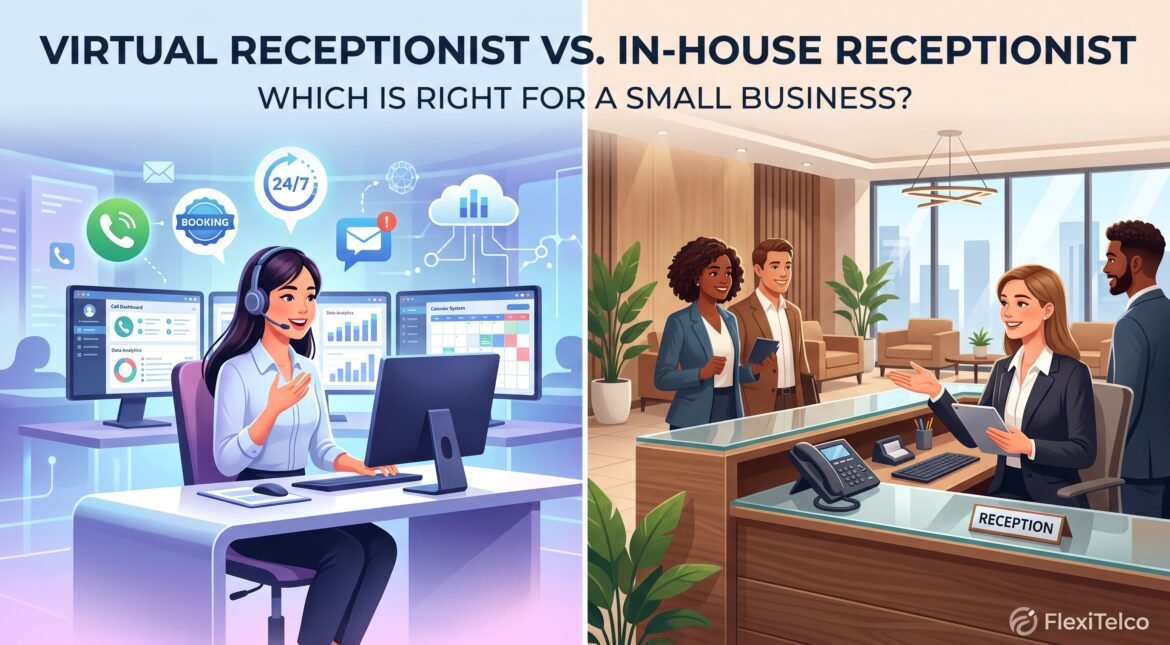
The choice often comes down to a virtual receptionist vs. an in-house receptionist. Both can
answer calls and support customers. However, their costs, working hours, and roles are
different.
This guide explains each option. It also covers the key costs and benefits. You can then choose
a service that fits your business.
What Is a Virtual Receptionist?
A virtual receptionist answers business calls from a remote location. The receptionist uses your
chosen greeting and call rules. This gives callers a professional response.
Calls can be answered when your team is busy. They can also be covered outside normal
working hours. This allows our staff to focus on daily tasks without ignoring customers.
A virtual receptionist can often:
- Answer calls in your business name
- Take accurate messages
- Transfer selected calls
- Capture lead details
- Answer common questions
- Book customer appointments
- Cover busy periods
- Handle out-of-hours calls
- Follow set call management rules
Some providers also offer answering services and appointment scheduling. This can help
businesses that depend on regular bookings. Customers can arrange the next step during the
call.
What Is an In-House Receptionist?
An in-house receptionist works at your business premises. This person can answer calls and
greet visitors. They may also manage bookings and basic admin.
Physical presence can be useful for busy offices. It also suits businesses with regular visitors. A
receptionist can support our front desk while managing incoming calls.
However, one employee cannot provide constant cover. Lunch breaks can create gaps.
Holidays and sickness can do the same. Extra staff may be needed when call demand
increases.
Virtual Receptionist vs In-House Receptionist: What Is the
Difference?
The biggest difference is how each service operates. An in-house receptionist works within the
business. A virtual receptionist works remotely.
The choice also affects cost and coverage. It can change how easily a business handles more
calls. For us, these factors should be compared before making a decision.
Cost
An in-house employee has several costs. Salary is only one of them. Recruitment and training
also cost money. Equipment and workspace may add further costs.
A virtual service often uses a monthly plan. Some providers charge by calls or minutes. The
phone answering service cost therefore depends on how much support you need.
Always review the full answering service pricing structure. Check what the package includes.
Our focus should be on total value, not only the lowest starting price.
Working Hours
Customers may call outside normal office hours. Some call early in the morning. Others call in
the evening or at weekends.
An in-house receptionist usually works fixed hours. Longer cover may require another
employee. This can increase staffing costs.
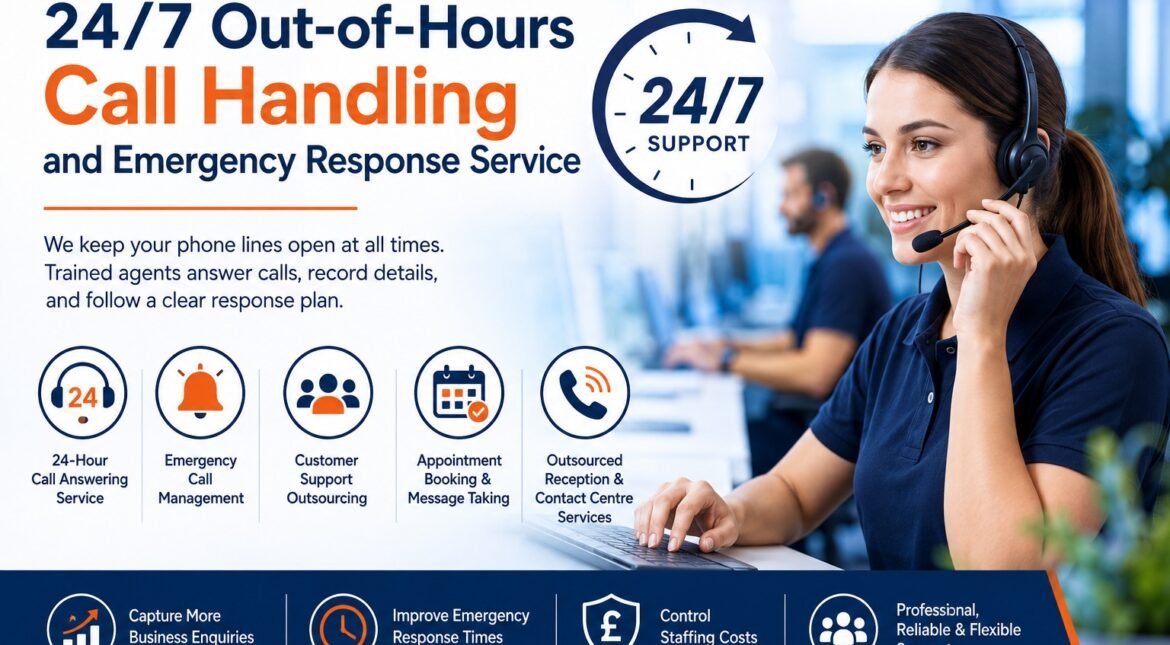
A 24-hour call answering service can cover calls at any time. An out-of-hours call answering
service can cover evenings or weekends. This gives us more control over when customers can
reach the business.
Flexibility
Small businesses often face changing call volumes. A new campaign may increase enquiries.
Seasonal demand can also create busy periods.
Hiring another employee takes time. The business must recruit and train that person. Demand
may fall again after a short period.
Outsourced reception services can provide more flexible cover. Service levels can change as
call demand changes. This helps our business respond without adding a permanent role too
soon.
Customer Experience
A phone call is often the first direct contact with a business. Customers expect a clear and polite
response. Long waits and unanswered calls can cause frustration.
An in-house receptionist knows the workplace well. This can help with detailed questions. It can
also help when visitors need support.
A virtual receptionist follows agreed instructions. Good call management directs each enquiry to
the right place. Clear scripts also help us provide a consistent customer experience.
When Should a Small Business Outsource Customer
Service?
Busy teams may struggle to answer every call. Staff can lose focus when the phone keeps
ringing. Customers may also wait longer for help.
A customer service outsourcing service can reduce this pressure. It can handle selected
customer contacts without adding another full-time employee.
It may be useful to outsource customer service when:
- Your team often misses calls
- Staff face regular phone interruptions
- Customers call after office hours
- Call volumes change during the year
- Hiring another employee costs too much
- The business needs better call cover
- Customers need faster responses
Some firms need wider customer support outsourcing. Others only need help with incoming
calls. Larger operations may use outsourced contact centre services for several support tasks.
Different outsourcing companies UK businesses use can offer different service levels. Clear
terms matter. Our business should know what is included before choosing a provider.
Example: A Busy Small Business
Consider a small service company with five employees. Each person has a key daily role.
Customers often call while the team is working.
The business could hire a receptionist. However, there may not be enough work for a full-time
role. Voicemail is another option. Yet some new callers may not leave a message.
A virtual receptionist can answer those calls instead. The service can collect details and take
messages. Important calls can also reach us through agreed transfer rules.
This approach can also work for appointment-based firms. A receptionist can capture the
enquiry. The same person may then book an available appointment.
How to Find the Best Answering Service for Small
Business Use
Price matters, but it should not be the only factor. A cheap service can offer poor value if key
features cost extra.
The best answering service for small business needs should match your call patterns. It should
also fit your working hours and customer needs.
Check these points before choosing a service:
- Opening and coverage hours
- Call answering process
- Receptionist training
- Message delivery method
- Call transfer options
- Appointment booking support
- Overflow call cover
- Data handling procedures
- Monthly call limits
- Extra call charges
- Setup costs
- Contract terms
A call answering service free trial can be useful when offered. It lets you test the service before
making a longer commitment. During the trial, our team can review call quality and message
accuracy.
Ask for a clear breakdown of the telephone answering service cost too. This helps you compare
providers fairly. It can also prevent unexpected charges.
Can Outsourced Reception Support Good Customer
Service?
Fast call answering is useful. However, good customer service involves more than speed.
Customers want accurate information. They also want clear next steps. Each enquiry should
reach the correct person.
Many companies with outstanding customer service use clear support processes. The same
applies to companies with excellent customer service. Consistency helps customers know what
to expect.
A business with great customer service also keeps support information current. Virtual
receptionists need the same information. This helps us give callers a more reliable experience.
The same approach works for customer care and IT support. External staff need clear duties.
They must know which tasks to handle. Complex issues should reach our internal team.
External staff need clear duties. They must also know when to pass an issue to the internal
team.
Can You Use Both Reception Models?
Some businesses need a receptionist on site. They may also need extra phone cover. In this
case, using both models can make sense.
An in-house receptionist can handle visitors and daily admin. A virtual team can answer
overflow calls. It can also cover evenings, weekends, holidays, and busy periods.
This type of company and outsourcing model can fill service gaps. It also gives our internal
receptionist extra support when call demand rises.
Which Receptionist Option Suits a Small Business?
An in-house receptionist can suit a busy workplace. This is especially true when visitors need
face-to-face support. Regular admin duties may also justify a full-time role.
A virtual receptionist can suit businesses that mainly need phone support. It can also help firms
with changing call volumes. Longer service hours are another reason to consider it.
Think about your daily call volume first. Then review your working hours and budget. The right
choice should help us answer more calls without creating unnecessary costs.
Frequently Asked Questions
Is a virtual receptionist cheaper than an in-house receptionist?
It can be, but costs depend on your needs. An employee brings salary and other employment
costs. A virtual service may charge by plan, call, or minute. Compare the full cost of both
options.
Can a virtual receptionist answer in my business name?
Yes. The receptionist can use an agreed business greeting. They can also follow your call script
and instructions. This creates a consistent experience for callers.
Can a virtual receptionist book appointments?
Many services can manage bookings. They may use your chosen calendar or booking system.
This lets our customers arrange appointments during the first call.
What happens to calls outside normal working hours?
An out-of-hours service can answer these calls. Coverage may include evenings and weekends.
Some providers also offer 24-hour support.
Will customers know that the receptionist works remotely?
A professional service answers calls in your business name. The receptionist follows your
instructions. The aim is to provide a natural and consistent phone experience.
How much does a phone answering service cost?
Costs vary by provider and plan. Call volume can affect the price. Features and service hours
can also change the fee. Always request clear pricing before choosing a service.
What should I look for in a virtual receptionist service?
Look at call quality, coverage hours, pricing, and service features. Check how messages and
transfers are handled. Our choice should also reflect how customers normally contact the
business.
Keep Every Important Business Call Covered
The right reception option depends on your needs. A virtual receptionist vs. in-house
receptionist comparison can help us choose. An in-house role provides physical support. A
virtual service provides flexible phone cover.
Missed calls can mean missed opportunities. Poor call handling can also affect customer trust.
A clear reception process helps customers reach the right person faster.
FlexiTelco provides flexible call support for businesses that want better phone coverage. Our
service helps reduce missed calls. It also creates a professional customer experience.
Contact FlexiTelco today. Discuss your call-answering needs with us. Find the right
reception solution for your business.